
We can be ready
if we work together
REDI is a crowdsourcing platform designed to protect communities while reducing risk for insurers
Crowdsourced observations
The Human Challenge
Fire officials and other community leaders have limited resources to address overwhelming needs in preparing their communities for wildfire. The result is that communities remain vulnerable and insurance companies are increasingly exposed while opportunities to protect communities are either delayed or overlooked.
The Solution
Built to accelerate a constructive, dynamic collaboration between insurers, property owners, fire officials and other municipal leaders, the REDI platform engages citizens in finding and tracking opportunities to prepare. The platform continues to live as the community takes action — and monitors progress — over time.
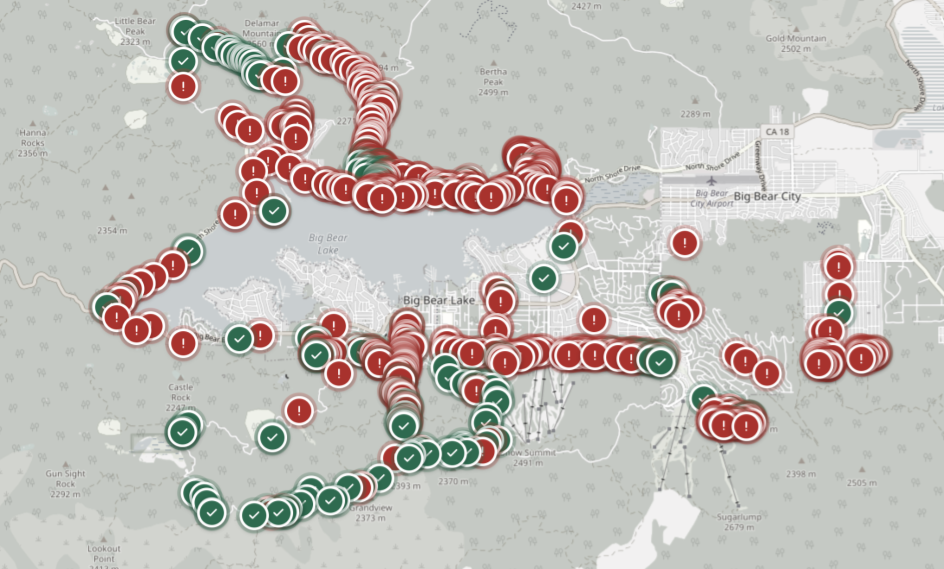
A crowdsourced study in Big Bear Lake, California, revealed an emphasis on protecting the ridges on each side of the valley (and fighting fires) but a tendency to overlook high fuel areas adjacent to valuable, wooden homes (a situation that resembles the Palisades). FAIR Plan, California’s insurance of last resort, estimates that they have a 14 billion-dollar exposure in this valley, and all models point to a high probably of fire.
Why start the process with crowdsourced observations?
Observational studies open eyes, focusing attention on needs rather than plans
Citizen input can scale and grow exponentially, tapping into the collective energy and talent of concerned property owners
The ongoing process engages a broader and larger group, building awareness throughout the community
Photographic observations provide emotionally-evocative visuals designed to motivate leaders to take needed action
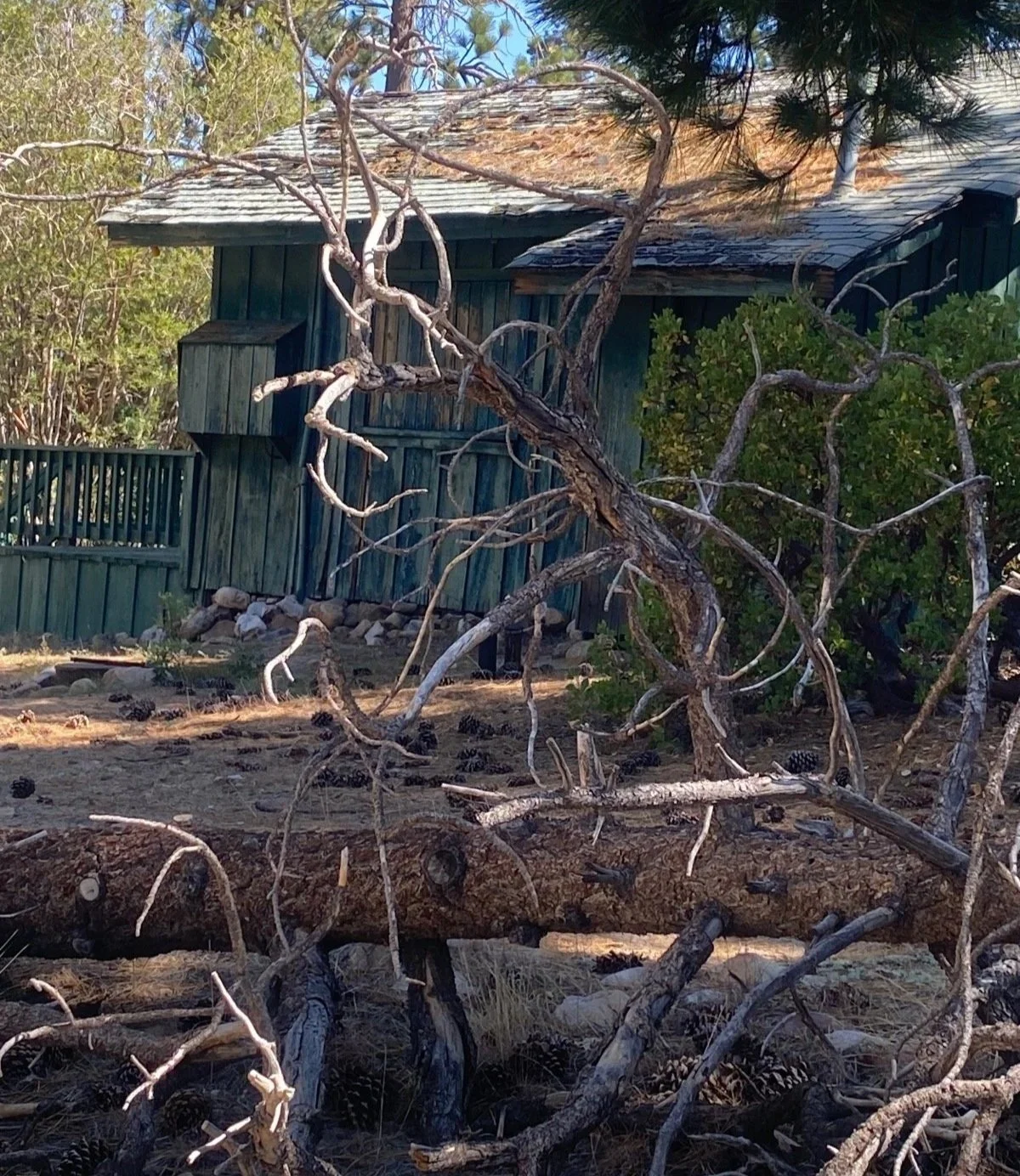
This cabin, a potential source of embers in a fast-moving, wind-driven fire, stands about 200 yards from City Hall.
Home hardening with real-time updates
The Human Challenge
Communities are deeply interdependent when it comes to wildfire risk — one thoughtless homeowner can generate the embers to ignite whole neighborhoods. Risks need to be addressed in residential areas where insurance companies can influence preparation, as well as around the perimeter of the community, in areas typically managed by municipal governments, large land owners, and the forest service.
The problem is complex and immense, given the number of homes, various governing bodies and diverse insurance companies, each with its own process and set of expectations for homeowners.

The Solution
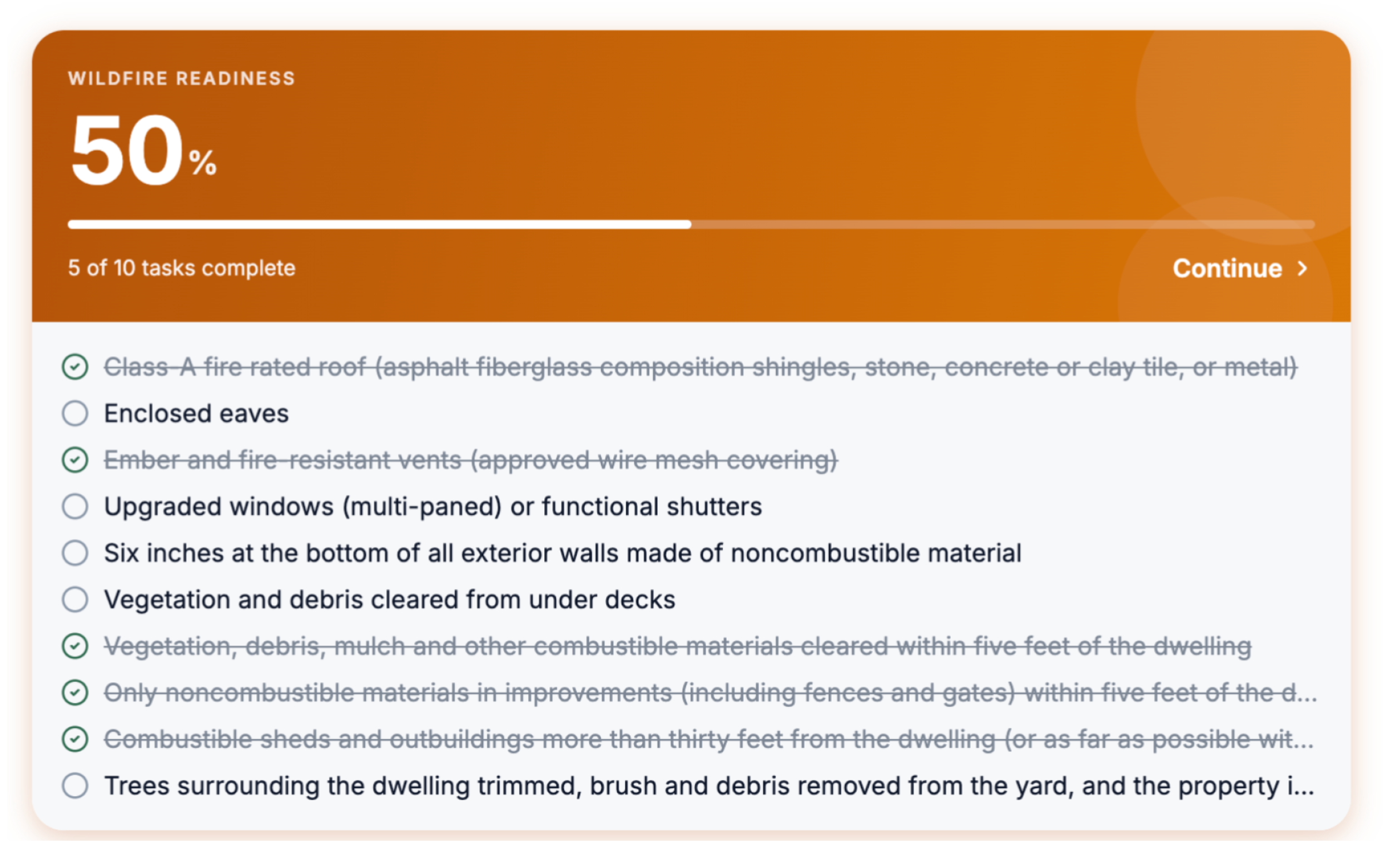
REDI is a community-wide data service that helps insurance companies communicate expectations, monitor compliance and drive behavior change while also tracking progress in preparing open spaces and the perimeter of the community. Live updates are provided to a variety of databases, keeping fire officials, other community leaders and insurance companies informed.
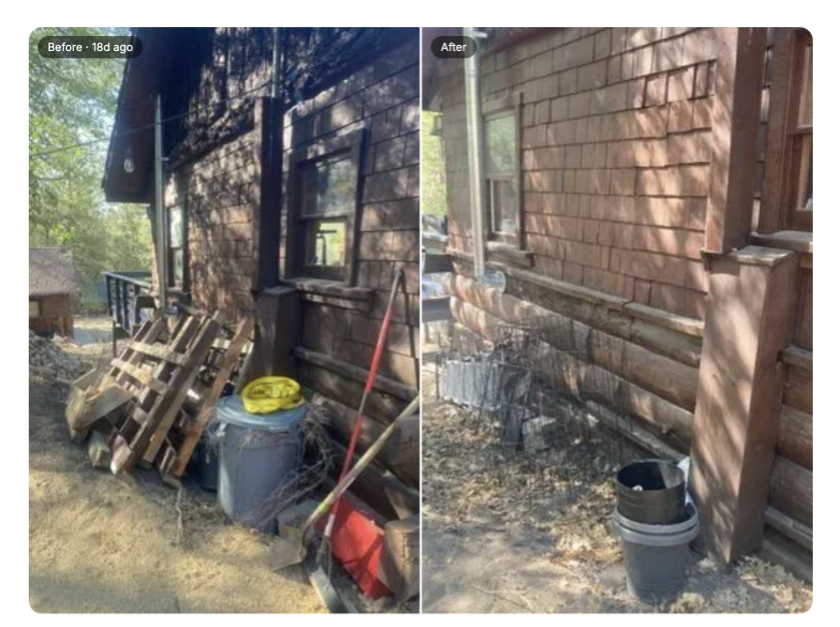
REDI allows homeowners to claim their property, choose a prevention model, such as the one advocated by FAIR Plan, then document changes in compliance with the model. Updates are communicated to their insurance agent as well as various databases maintained by interested stakeholders, such as insurance companies and fire officials.

Stakeholder collaboration
The Human Challenge
Diverse stakeholders, such as fire officials and insurance leaders, share a common interest, responsibility and authority to address the risk in a community. They need to collaborate.
But people tend to work in silos, focused on their own jobs and organizations. And reaching beyond our organizational boundaries can be difficult.
The Solution
REDI is a place where property owners, insurance agents, prevention vendors, fire officials and other community leaders can collaborate to protect a community.
7 Reasons for REDI
focus public attention on the defense of an entire community
include open observations about readiness to overcome community complacency
reduce financial barriers to engage more property owners in home hardening
accommodate multiple models of home hardening, across insurance company
keep insurance companies informed about home hardening measures
engage vendors; involve local businesses as 3rd party evaluators
help homeowners find other insurers